
Lip Lift
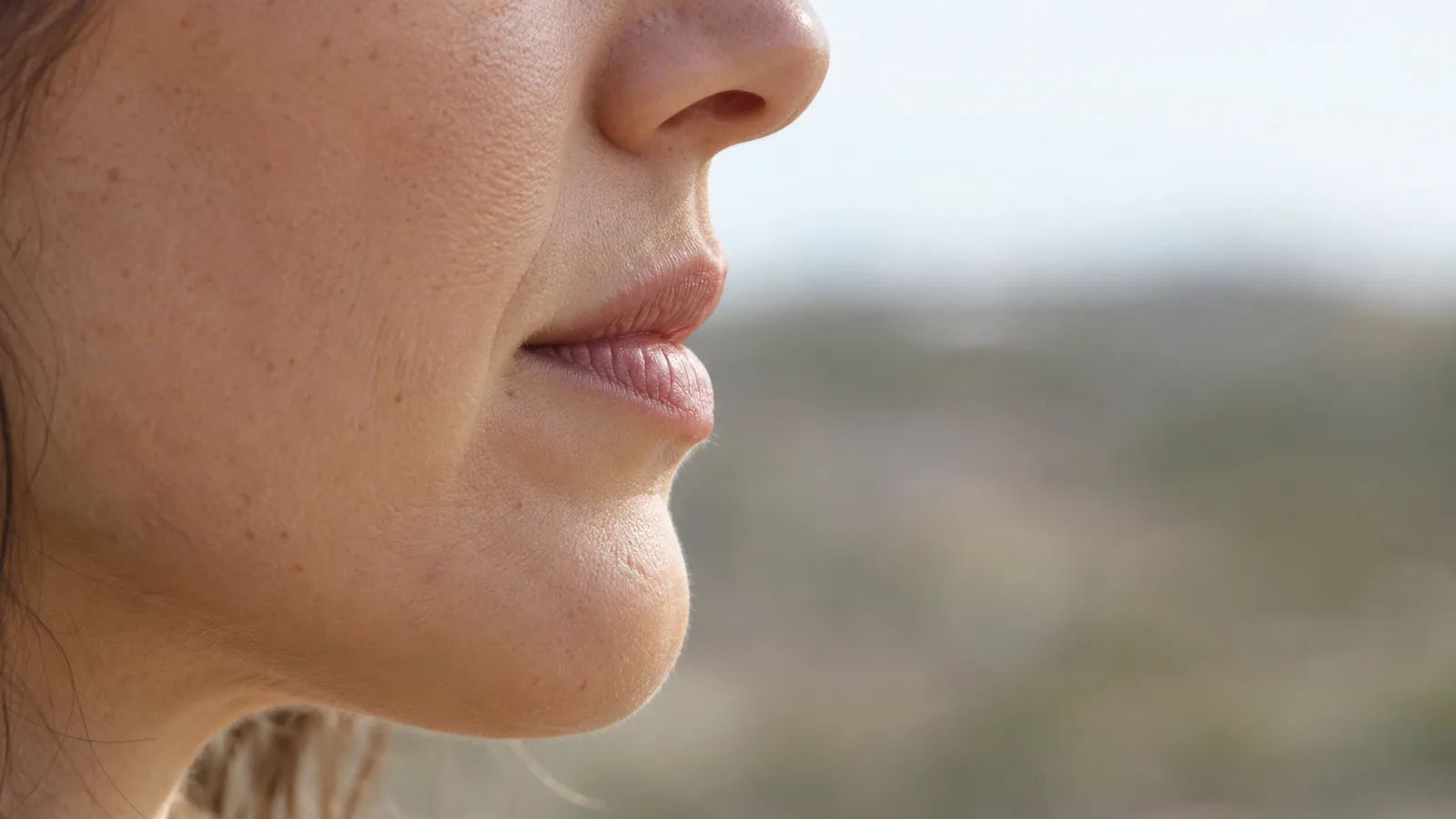
"Instant definition." "A subtle change." "Minimal downtime." Each question below takes a claim like these and looks for the clearance, trial or measurement that would have to sit behind it.
- The results timeline: asks which moment a results timeline is describing.
- Preparing before the day: lists what to ask a clinic before the day.
- The word "permanent": tests the word "permanent" against how long anyone followed patients.
- The word "safe" in an advertisement: asks what "safe" means in an advertisement.
- How long does a lip lift take?: asks what a quoted duration includes.
- What are lip lift side effects?: asks which side effects a source names and which an advertisement skips.
- Going back to regular activities: asks which activities a "back to normal" claim means.
- Naming the types: asks whether a name describes a distinct operation.
- A plain definition: starts from a definition before any claim is checked.
- The days afterward: asks what a description of the days afterward leaves out.
- The operation itself: lists questions about what is done and where.
- The claimed effect: asks how a claimed effect was measured.
- The recovery-time figure: reads "recovery time" as a request for specific days.
- Reported pain: asks how pain was reported and by whom.
Lip lift references outside the clinic
A hospital system's page, Lip Lift: What It Is, Types, Surgery, Recovery & Scars, is a useful neutral description to set beside a clinic's own wording. Read both, and mark every sentence that gives a number or names a source.
For a research view, a journal review of lip feminization is one example of how lip surgery is written up for clinicians. When a clinic in Sammamish describes its own approach, ask which published work it draws on.
For your own lips, ask a surgeon who has examined you, since general reading is not medical advice.